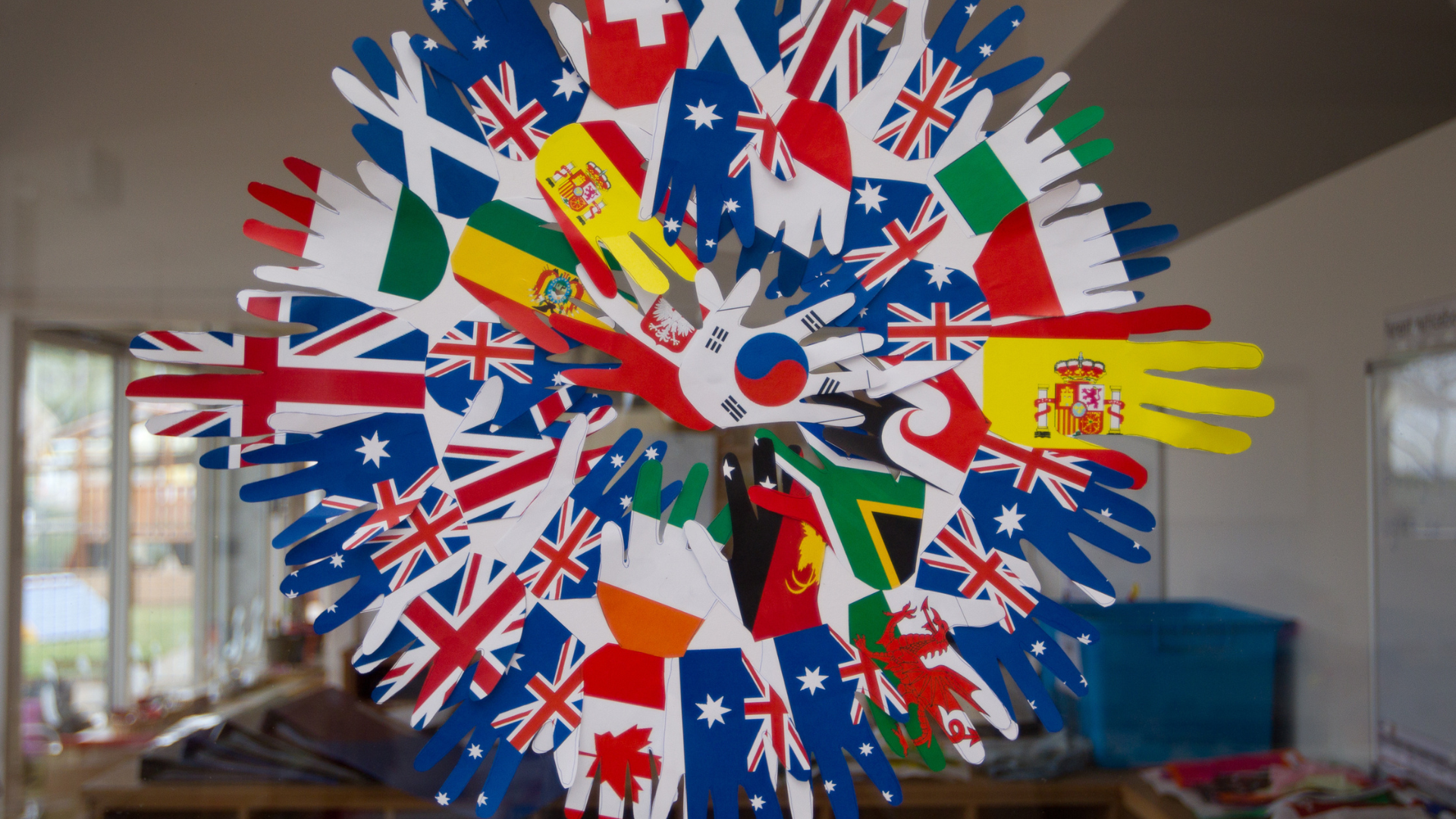
This resource provides information for culturally and linguistically diverse families including refugee, migrant and asylum seeker families.
What to expect
All children in Australia, no matter their visa, language, culture or background, have the right to access children’s education and care. This includes long day care, preschool, kindergarten, family day care (FDC) and outside school hours care (OSHC).
Your child does not need to speak English, have permanent residency, or provide special documents to be welcomed.
Your child has the right to physical and emotional safety, security and a sense of belonging
Children’s education and care services, you might know them as childcare or daycare, can help your child build confidence, make friends, and learn important life skills in a safe and caring environment.
What does this look and feel like?
Educators aim to build strong partnerships with you and can connect you with local services for support with mental health, parenting, behaviour support, and other community programs. Your child deserves to feel safe, curious and valued in any education and care setting.
A welcoming and inclusive service will take time to get to know you and your child. They will listen to your experiences and work with you to build trust. Inclusion means your child is not expected to ‘catch up’ or ‘fit in.’ Instead, the service will create a space that reflects your child’s strengths, language, culture and needs.
This might look like:
- Offering enrolment support even if you’re still waiting on visa updates
- Using bilingual staff, interpreters or translated documents to help you understand your options
- Including your child’s home language in daily routines, songs or books
- Supporting your child through separation anxiety, trauma responses or transitions
- Making adjustments to routines, food or cultural practices that reflect your family’s needs
Know your rights
Every child has rights. These rights are protected by Australian law and international agreements that make sure children are safe, cared for, and able to learn and grow. These rights support your child to feel safe, included and supported in education and care services.
As a parent or carer, you also have rights. You have the right to be treated with dignity and respect, to be involved in decisions about your child, and to raise concerns when something doesn’t feel right.
Questions to guide your journey
If you’re considering enrolling or are enrolled at an education and care service, these questions can help you think about reflect on whether the service feels respectful, culturally safe, and inclusive — for both you and your child.
- Was I supported and respected during the enrolment process, even if English is not my first language?
- Does my child’s culture, language and story feel welcome at the service?
- Have staff explained my rights and available supports clearly?
- Am I invited to be part of my child’s learning?
- Who can help me speak up if something is unfair or unclear?
Help and support
It’s reasonable to expect that the children’s education and care service you choose, will be interested in the things they can do to support your child.
This might include:
asking about key people in your child’s life, , the things you do at home and the services you use to support your child and/or your family.
With your permission, they may want to reach out to them so they can work together to support your child better.
If something doesn’t feel right, you can speak up
If someone or something happening at a service is making you feel judged, excluded or unwelcome — or if your child is being sent home, left out, or not supported — you have the right to ask for support and speak up. Sometimes services need support to do better and your voice can help create positive change for your child and for others.
You might notice:
- Staff not explaining things clearly, or not offering an interpreter
- Your child being left out of learning experiences because of cultural misunderstanding
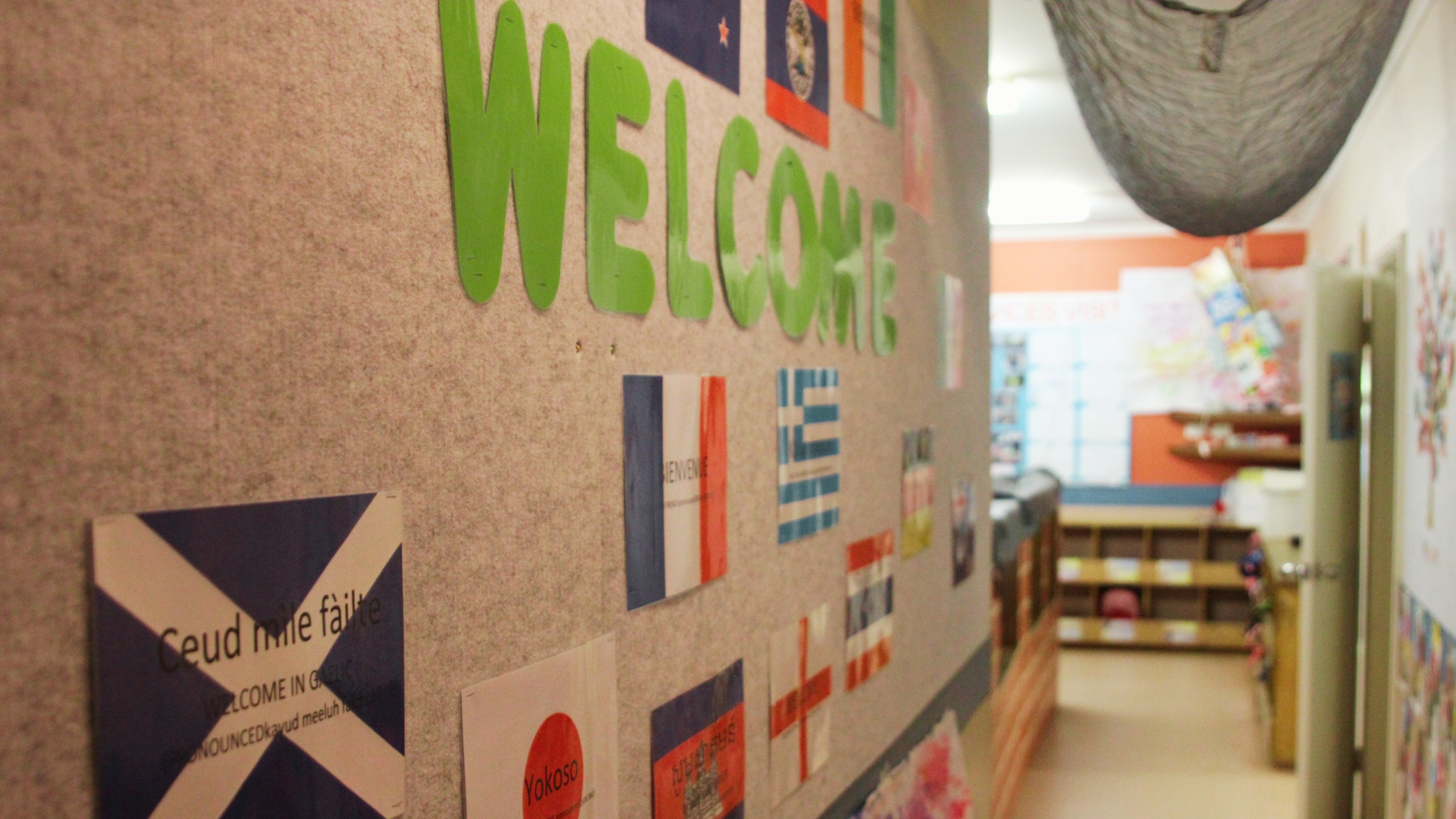
- No signs of your child’s culture, language or background in the space
- A reluctance to adapt cultural or traditional celebrations
You can:
- Ask to meet with the director, educator or coordinator
- Bring someone with you (such as a support worker, interpreter, community advocate or trusted friend) to support you in addressing your concerns
- Send a message or email to share your ideas, ask questions or raise concerns
- Ask for translated materials or help with forms
- Speak with a multicultural organisation, playgroup, or settlement support worker
Ask how the service welcomes and includes families from all cultures and back
Where to get more support or information
Whether you’re looking for help with enrolment, need support for your child’s development, or want to connect with other families, there are organisations to walk alongside you.
You can contact them directly or ask your education and care service to help you get in touch.